Control arm bushings are small rubber or hydraulic mounts that isolate the suspension from the body. They allow the control arm to pivot smoothly as the wheels move, keeping the tire planted while blocking vibration from reaching the cabin. When bushings age or tear, the suspension loses that precise control, and the car starts to feel loose, clunky, or nervous over bumps.
Knowing the signs helps you schedule the fix before tires and other parts pay the price.
What Worn Bushings Feel and Sound Like
The earliest clues are subtle. You might notice a dull thud on rough roads or a shudder through the steering wheel as you brake to a stop. Over speed bumps, the front end can feel like it moves twice, once over the bump and again as the arm settles back. Steering may wander on the highway, and the car can pull when you accelerate or brake because the arms are shifting under load.
- A soft clunk on small bumps
- Steering that won’t stay centered
- Brake shudder at low to mid speeds
If any of these feel familiar, the bushings deserve a closer look.
Why Bushings Wear Out
Rubber lives a tough life near the road. Heat cycles, ozone, oil drips, and road salt harden it over time. Once the rubber stiffens, tiny cracks spread until the bushing can no longer keep the arm centered. One hard curb strike can also tear a bushing outright, especially on vehicles with larger, grippier tires. Fluid-filled hydraulic bushings ride smoothly when new, but once their internal fluid leaks, they collapse and allow excess movement you can feel in the seat and wheel.
How Worn Bushings Affect Tires, Brakes, and Alignment
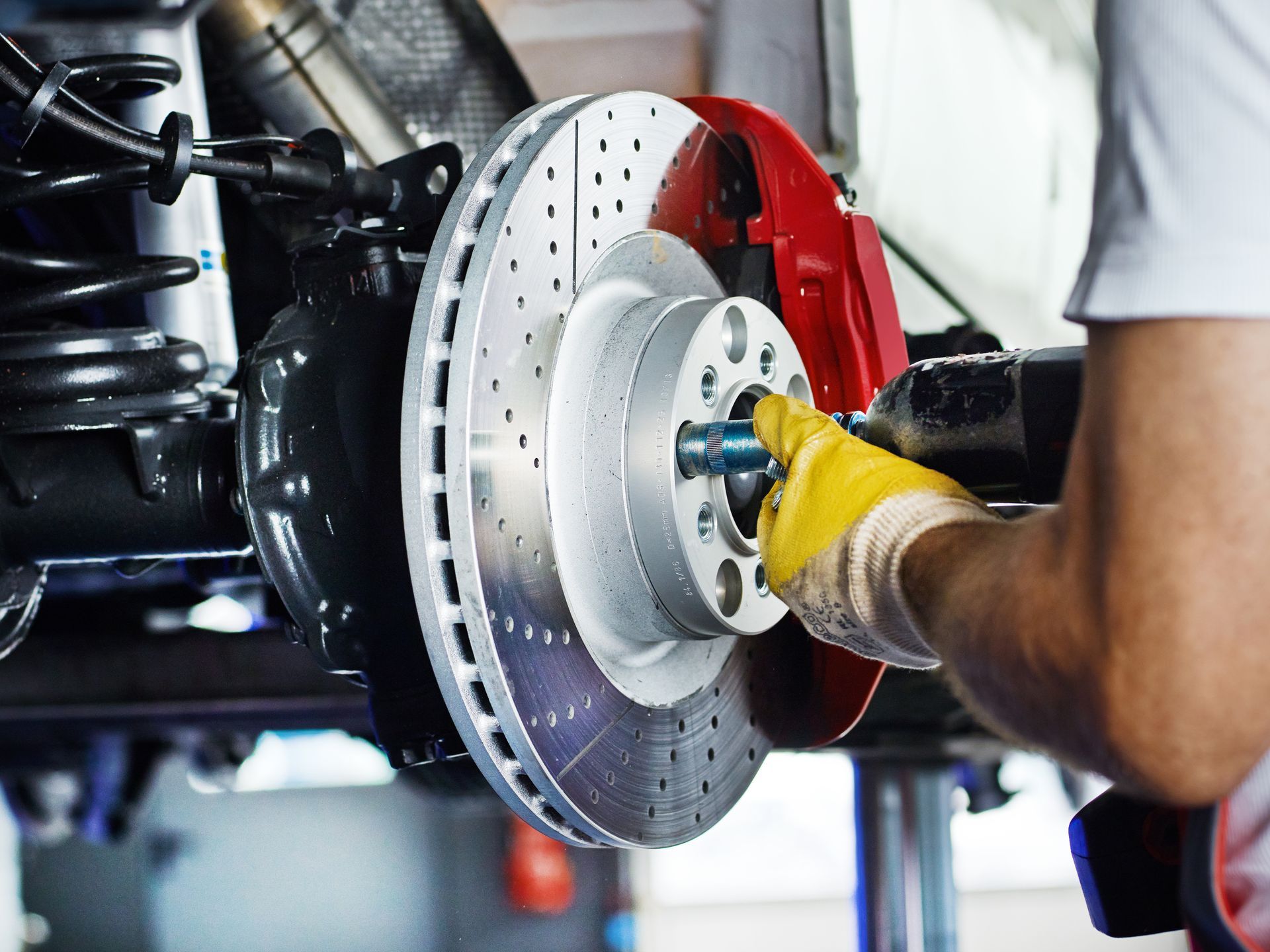
Bushings hold alignment steady as you drive and brake. When they get sloppy, toe and camber change moment to moment. That movement scrubs tread, feathering the edges and creating a hum at highway speeds. During braking, the arm can shift rearward, which feels like a shimmy or a second “thump” after initial pedal application. On wet roads, the tire’s contact patch is less stable, so stopping distances can grow, and the steering wheel may need constant correction. Replacing bushings protects new tires, keeps braking smooth, and makes alignment settings actually stick.
Simple Checks You Can Do Before a Shop Visit
You do not need a lift to spot the obvious. Park with the wheels straight and shine a light behind the front tires. Cracked, split, or oil-soaked bushings are easy to see. Have a helper rock the steering wheel gently left and right while you watch the control arm pivot. Excess movement at the bushing or a metallic click as the arm shifts are red flags. On a test drive, pay attention to whether the clunk happens as the front wheels climb the bump or as they come off it; the latter often points to bushing rebound play.
How a Technician Confirms the Diagnosis
A proper inspection puts the vehicle on a lift to unload the suspension safely. The technician will pry each control arm through its range to feel for give, then check ball joints and tie rods because those can mimic the same noises. They will also inspect alignment cams and subframe bolts that may have loosened. If the bushings are fluid-filled, they look for damp rings where the internal fluid has seeped. After repairs, a four-wheel alignment locks angles back in spec so tires wear evenly and the steering wheel comes back to center.
Repair Choices: Bushings Only or Complete Control Arms
Many vehicles allow bushings to be pressed out and replaced, which saves the cost of a full arm. On others, or when mileage is high, replacing the entire control arm can be smarter because you get fresh bushings and a new ball joint in one assembly. Your technician will weigh labor time, parts availability, and the condition of the arm sleeves. Material matters too. Rubber bushings ride quietly and are ideal for daily driving. Polyurethane adds firmness and sharper response, but can transmit more vibration, for most commuters and family vehicles, quality rubber or hydraulic bushings strike the right balance.
When to Plan the Job
There is no single mileage number, but many bushings begin to harden around the 80,000 to 120,000 mile window, sooner on rough roads. Combine the repair with new front tires or struts so you only pay for alignment once. If you are hearing clunks, seeing uneven tire wear, or fighting a steering wheel that will not stay straight, moving sooner prevents extra tire and rotor costs. After installation, expect a tighter on-center feel, quieter bumps, and a calmer front end during braking.
Restore Ride Quality with Woodie’s Auto Service & Repair Centers
If your car clunks over bumps, wanders on the highway, or shows fresh feathering on the front tires, we can help. Our team inspects control arm bushings, ball joints, and tie rods, then recommends either bushing replacement or complete arms based on cost and longevity. After the repair, we perform a precise alignment so the results last.
Visit
Woodie’s Auto Service & Repair Centers, serving 19 locations across North Carolina and South Carolina, and we will bring back that tight steering feel and protect your tires for the miles ahead.
No matter where you are in the Carolinas, expert auto care is always close by. With convenient locations in North Carolina and South Carolina, our team is ready to keep your vehicle in top shape. Visit the location nearest you today and experience professional service you can trust.
North Carolina (NC)
- Charlotte, NC
- Davidson, NC
- Huntersville, NC
- Mint Hill, NC
- Matthews, NC
South Carolina (SC)
- Indian Land, SC
- Fort Mill, SC
- Summerville, SC
- Charleston, SC
- Rock Hill, SC
- Mount Pleasant, SC