Auto electrical problems can be some of the most frustrating repairs because they do not always act the same way twice. A warning light may come on, then disappear, only to return a week later. The car may start fine in the morning and struggle later in the day. A fuse may blow once, or it may keep failing until the real cause is found.
Electrical systems are connected through wiring, sensors, fuses, relays, grounds, modules, and the charging system. When one part becomes weak, the symptom can show up somewhere else. That is why electrical problems require careful testing rather than quick parts replacement.
1. Weak Battery Voltage
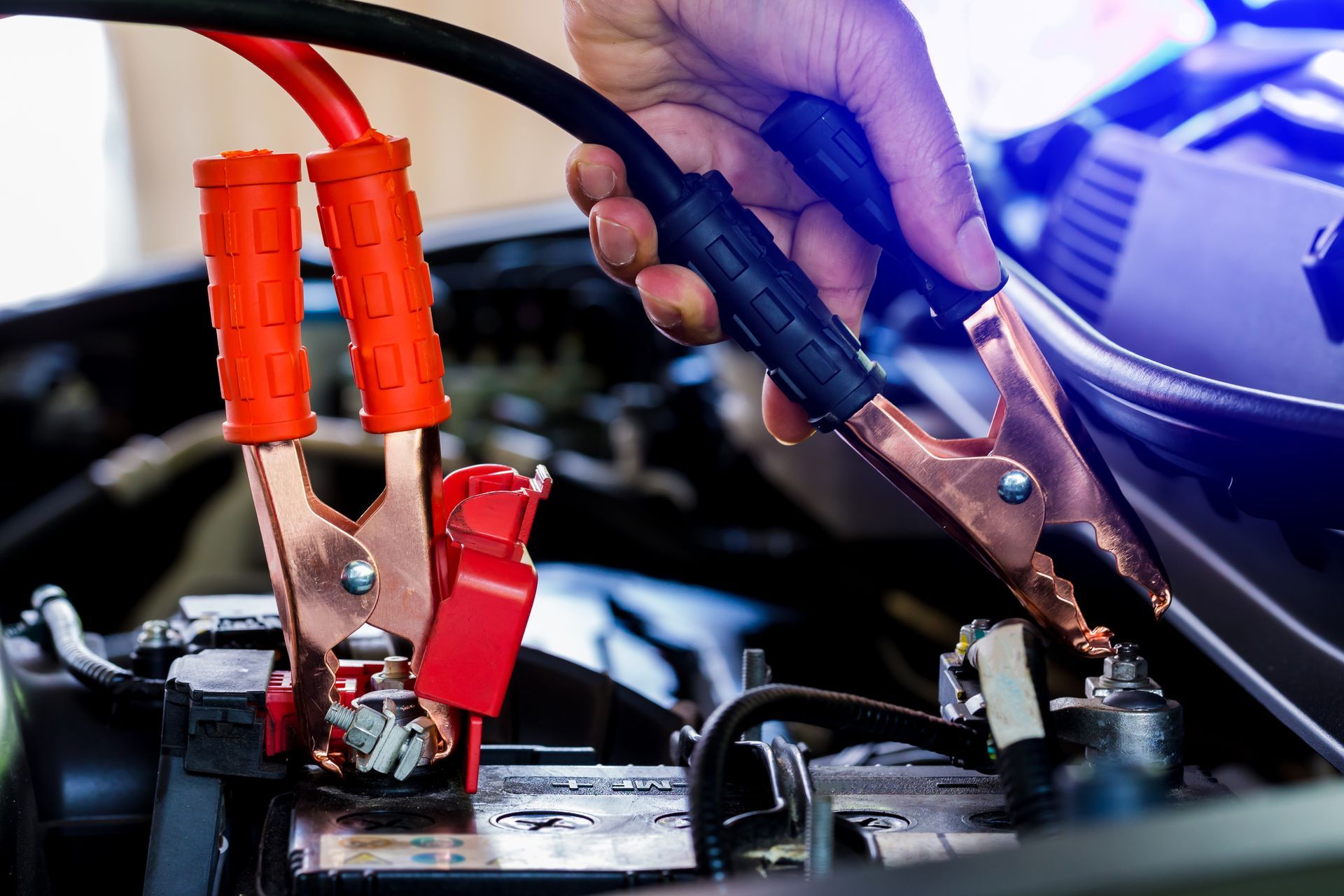
A weak battery can create more than a slow start. Modern vehicles rely on steady voltage for computers, sensors, lighting, safety systems, and comfort features. When the voltage drops too low, the vehicle can start showing warning lights or strange behavior that looks unrelated to the battery.
A battery can still crank the engine and fail under load. That is what tricks many drivers. The car starts, so the battery seems fine, but the electronics may not be getting clean power. Battery testing should always be part of an electrical inspection.
2. Alternator Charging Problems
The alternator keeps the battery charged and powers the vehicle while the engine is running. If it is weak, unstable, or not charging correctly, the battery reserve gets used up while you drive. That can lead to dim lights, flickering screens, warning messages, or a vehicle that stalls once the battery is drained.
Charging problems can also be caused by a slipping belt, a poor cable connection, or a poor ground. Replacing the battery alone will not solve the issue if the alternator cannot keep it charged.
3. Blown Fuses That Keep Coming Back
A blown fuse protects a circuit from excessive electrical current. Replacing one fuse might be fine if it failed once due to age or a temporary overload. If the same fuse keeps blowing, something else is wrong.
Repeated fuse failures can point to a shorted wire, a failing motor, water intrusion, a damaged connector, or an accessory drawing too much current. Installing a larger fuse is never the answer. That can damage wiring and create a fire risk. The circuit needs to be tested until the overload is found.
4. Bad Grounds
Ground connections complete the electrical path. When a ground is loose, rusty, corroded, or broken, current cannot return properly. That can create flickering lights, sensor faults, starting issues, communication errors, or accessories that work only part of the time.
Bad grounds are hard to spot because the affected part may not be the bad part. A light, sensor, or module can look faulty when the real issue is the ground path it depends on. Heat, vibration, and moisture can make the symptom come and go.
5. Damaged Wiring
Wiring can be damaged by age, rodents, heat, rubbing, poor previous repairs, or road debris. Some wiring damage is obvious. Other damage is hidden inside harnesses, behind panels, under the battery tray, or near areas that move when doors, trunks, or hoods open and close.
A broken wire may work until the vehicle hits a bump or the harness moves a certain way. That is why intermittent electrical problems can take time to find. The repair depends on determining where the circuit loses power, ground, or signal.
6. Faulty Sensors
Sensors send information to the vehicle’s computers. They help manage engine performance, emissions, braking, stability control, temperature, speed, and many other systems. If a sensor fails or sends inaccurate information, the computer may turn on a warning light or change how the vehicle operates.
The important detail is that a sensor code does not always mean the sensor itself is bad. Wiring, connectors, low voltage, air leaks, fluid problems, and mechanical issues can all affect sensor readings.
A proper diagnostic process checks the sensor and the system around it.
7. Relay And Switch Problems
Relays and switches control power to many vehicle systems. Cooling fans, fuel pumps, headlights, blower motors, starters, and power accessories all rely on these parts. A relay can stick, overheat, or fail only after it has been running for a while.
Switches can wear internally too. A window switch, ignition switch, brake light switch, or door switch may work sometimes and fail other times. These problems can feel random, but testing the circuit while the symptom is active can usually point the repair in the right direction.
8. Parasitic Battery Draw
A parasitic draw occurs when something continues to draw power after the vehicle is turned off. Some draw is normal because clocks, security systems, and memory functions need small amounts of power. The problem starts when a module, light, relay, or accessory keeps pulling more power than it should.
A car with parasitic draw may start fine after short parking periods, but go dead overnight or over a weekend.
Regular maintenance can catch weak batteries, but a repeated dead battery needs more than replacement. The draw has to be measured and traced.
Get Auto Electrical Repair In North Carolina And South Carolina, With Woodie's Auto Service & Repair Centers
If your vehicle has warning lights, blown fuses, battery drain, charging problems, sensor faults, or wiring issues, our teams across North Carolina and South Carolina can test the electrical system and find the cause.
To stop electrical problems from turning into repeat no-starts or unnecessary repairs, contact us to schedule an appointment.