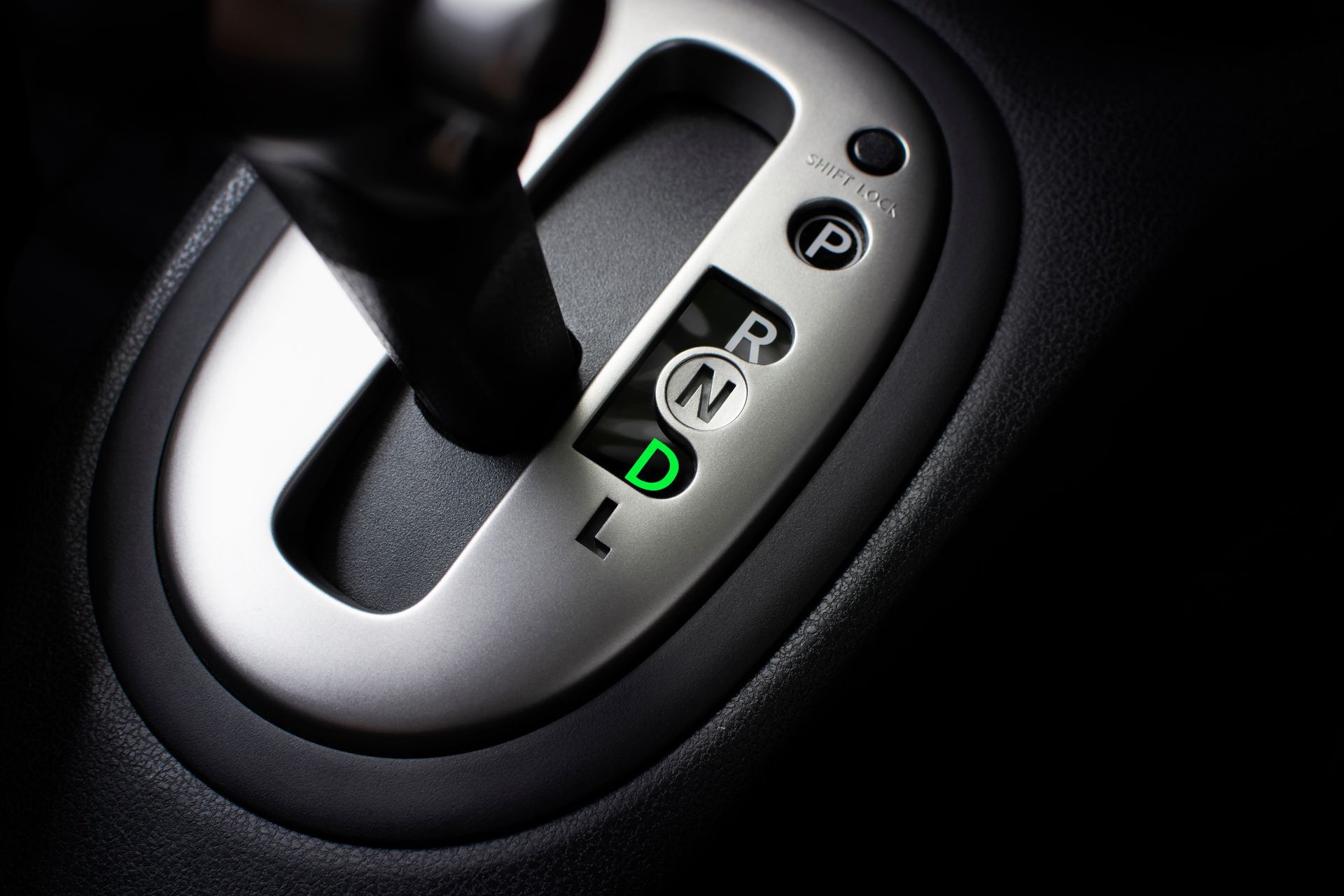
A hesitation during an upshift can feel like the engine briefly stops pulling, the transmission pauses between gears, or the vehicle takes an extra second to respond after you press the accelerator. It may happen only when the transmission is cold, during light throttle, or while merging onto the highway.
The transmission itself does not always cause that delay. Engine performance, transmission fluid condition, electronic controls, and internal clutch operation can all affect how cleanly the next gear engages. The exact way the hesitation feels gives us a good starting point.
Low or Worn Transmission Fluid Can Affect Shift Quality
Automatic transmissions rely on hydraulic pressure to apply clutches and move through the gears. If the fluid level is low, pressure can become inconsistent, and the transmission may take longer to complete an upshift.
Old or overheated fluid can also lose some of the properties the transmission depends on for lubrication and clutch operation. At our shop, we check fluid level and condition according to the vehicle's service procedure. Some modern transmissions do not have a traditional dipstick, so getting an accurate reading requires the correct fluid temperature and specific checking steps.
A Worn Clutch Pack Can Create a Flare Between Gears
Inside an automatic transmission, clutch packs hold different gear combinations. As those friction materials wear, a clutch can take longer to grab firmly when the transmission commands the next gear.
You may feel the engine RPM rise briefly during the shift before the higher gear finally engages. Technicians refer to that as a flare. If it happens repeatedly in the same gear change, such as second to third or third to fourth, we look closely at transmission data and internal clutch operation rather than treating it as a general hesitation.
Shift Solenoids Control Hydraulic Pressure
Modern automatic transmissions use electronic solenoids to direct fluid pressure through specific hydraulic circuits. A sticking or electrically faulty solenoid can delay clutch application and create an inconsistent shift.
A solenoid problem can be intermittent at first. The transmission may shift normally for several miles and then hesitate once it gets hot, or it may act up only during a particular shift. Scan data and electrical testing help us determine whether the transmission computer is commanding the shift correctly and whether the hydraulic system is responding as expected.
Engine Problems Can Feel Like Transmission Hesitation
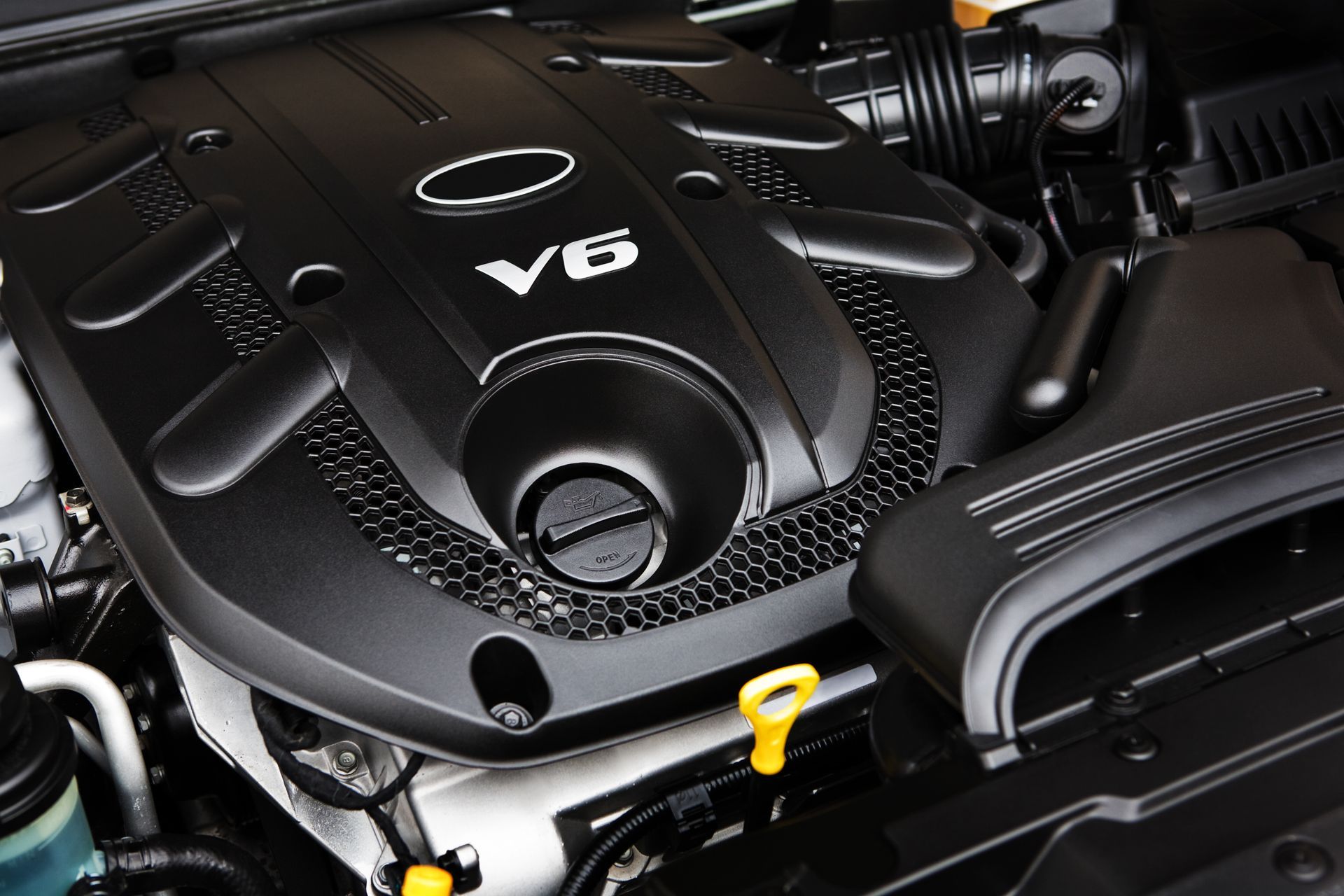
A weak ignition coil, worn spark plug, fuel delivery problem, or airflow issue can make the engine stumble at the exact moment the transmission shifts into a higher gear. The driver feels a loss of power and naturally assumes the transmission slipped.
The difference becomes clearer when we watch engine RPM, throttle input, misfire data, and transmission commands together. If the gear engages normally but the engine cannot pull cleanly afterward, the problem may be under the hood instead of inside the transmission. That is why an inspection should include both systems when the symptom is not obvious.
Transmission Adaptations Can Affect the Way It Shifts
Many modern transmissions learn and adjust shift timing based on clutch wear, fluid pressure, and driving conditions. These adaptive values help the computer compensate for normal changes as the transmission ages.
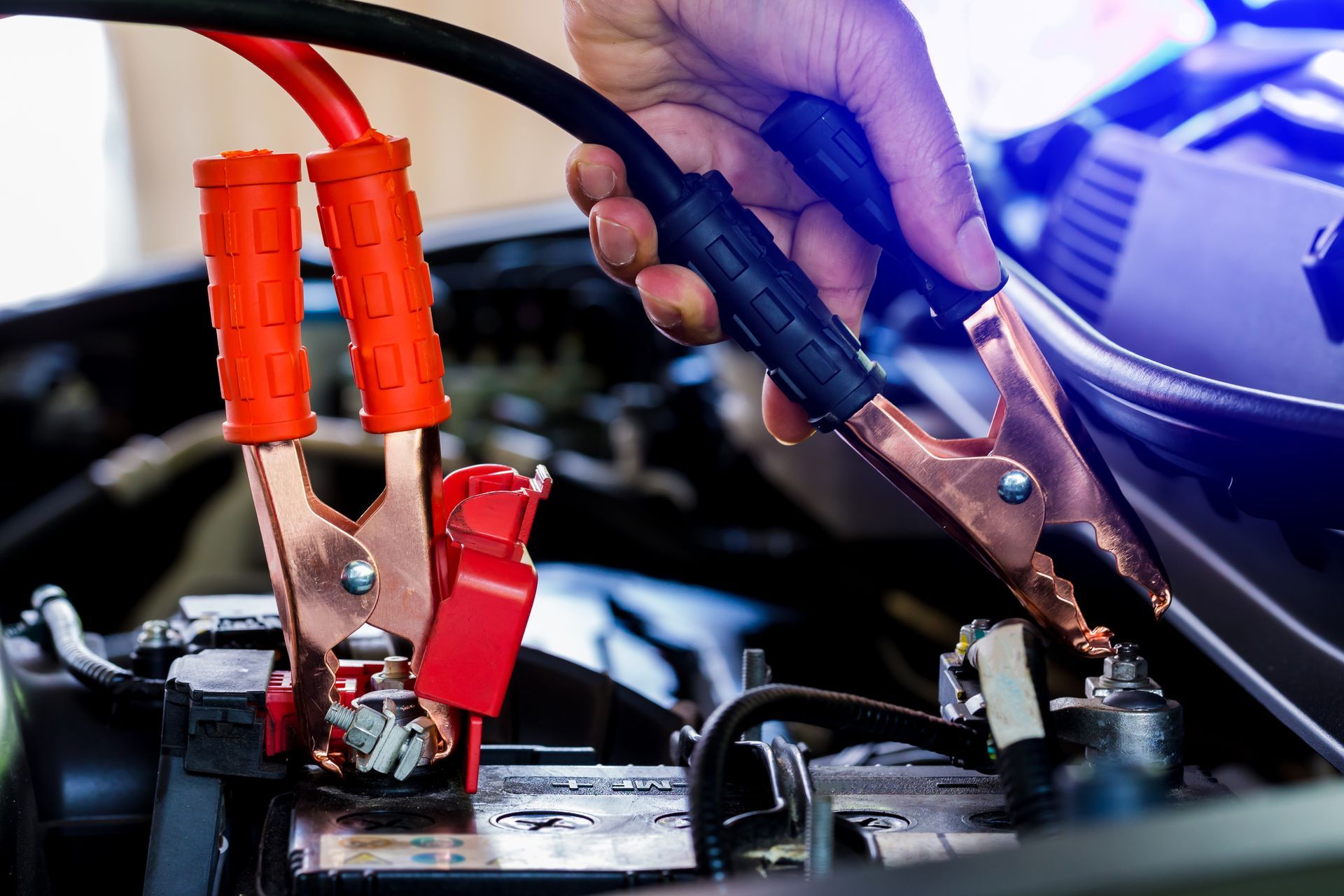
If battery power has been disconnected, software has been updated, or transmission work has recently been performed, shift behavior can temporarily feel different while the system relearns. In other cases, adaptation values that have reached their limits can point toward mechanical wear. Resetting learned values without understanding why they changed is not a repair.
Temperature Can Make a Developing Problem Easier to Feel
Transmission fluid changes viscosity as it warms, and seals and hydraulic components also behave differently at different temperatures. That is why some vehicles hesitate only during the first few shifts of the morning while others act up after a long drive.
We pay close attention to that pattern during diagnosis. A delayed shift that happens only cold can point us toward one set of possibilities, while a hesitation that appears only after the transmission is fully hot can suggest pressure loss, worn components, or fluid problems that become more noticeable with temperature.
Do Not Ignore a Hesitation That Is Getting Worse
An occasional unusual shift does not automatically mean the transmission needs major repair, but repeated hesitation deserves attention. If the engine races between gears, the transmission bangs into the next gear, or the delay keeps getting longer, continued driving can create more heat and wear.
Regular maintenance helps preserve transmission fluid condition and gives us a chance to catch leaks before the level drops. If a warning light appears or the vehicle begins slipping under normal acceleration, have it diagnosed sooner rather than waiting for the transmission to stop moving altogether.
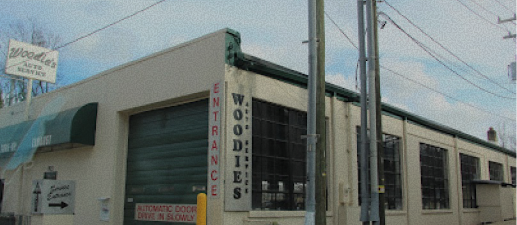
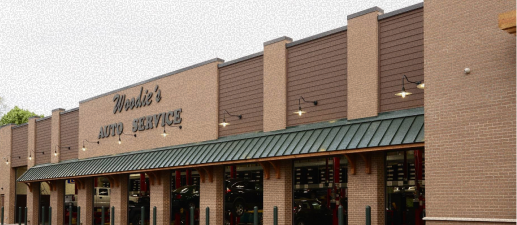
Get Transmission Diagnostic Service In North Carolina and South Carolina With Woodie's Auto Service & Repair Centers
If your vehicle hesitates, flares, or loses power when shifting into a higher gear,
Woodie's Auto Service & Repair Centers can diagnose the cause at its 19 locations across North Carolina and South Carolina.
Schedule a transmission and drivability check before an occasional delayed shift turns into a more serious problem.