Modern vehicles use mechanical, hydraulic, electrical, and electronic systems to help drivers maintain control and reduce injury risk. These features work quietly in the background, so it is easy to assume they will always respond correctly when needed.
Safety systems still depend on usable tires, healthy sensors, stable electrical voltage, clean fluid, and components that move freely. Regular maintenance helps identify wear before an emergency stop, sudden lane change, or loss of traction places the system under maximum demand.
1. Anti-Lock Braking System
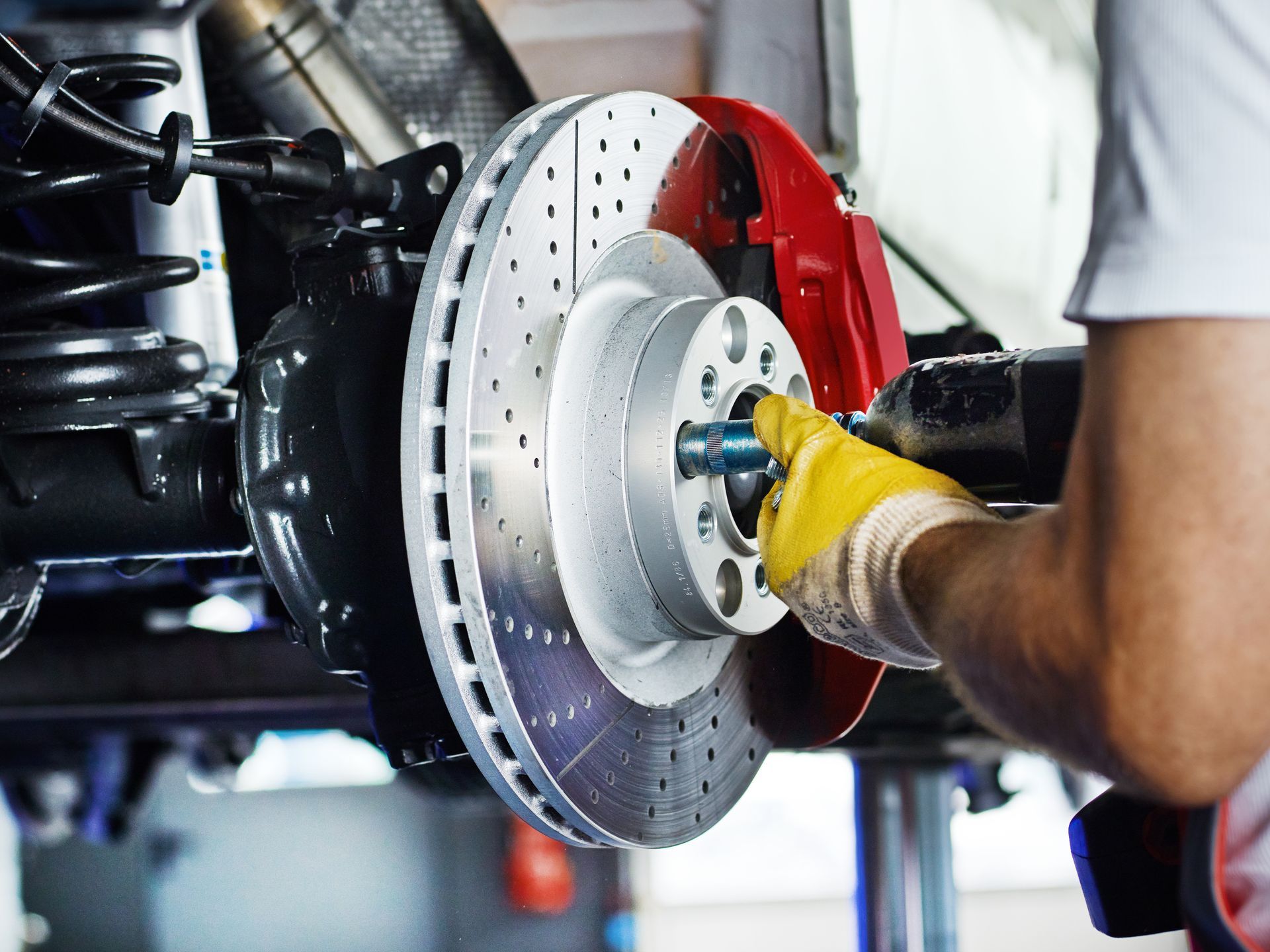
The anti-lock braking system, or ABS, prevents the wheels from remaining locked during hard braking. Wheel speed sensors report how quickly each wheel is rotating, while the ABS hydraulic unit rapidly adjusts brake pressure when one wheel begins slowing faster than the others.
A failed wheel speed sensor, damaged encoder ring, corroded connector, or broken wire can disable ABS. The standard hydraulic brakes may continue working, but the anti-lock function may not be available during an emergency stop. The dashboard may also display traction control and stability control warnings because those systems use the same wheel speed information.
ABS concerns require testing of the sensors, wiring, wheel bearings, hydraulic unit, and control module. Replacing a sensor based only on a fault code can miss damaged wiring or a failed magnetic encoder inside the wheel bearing.
2. Electronic Stability And Traction Control
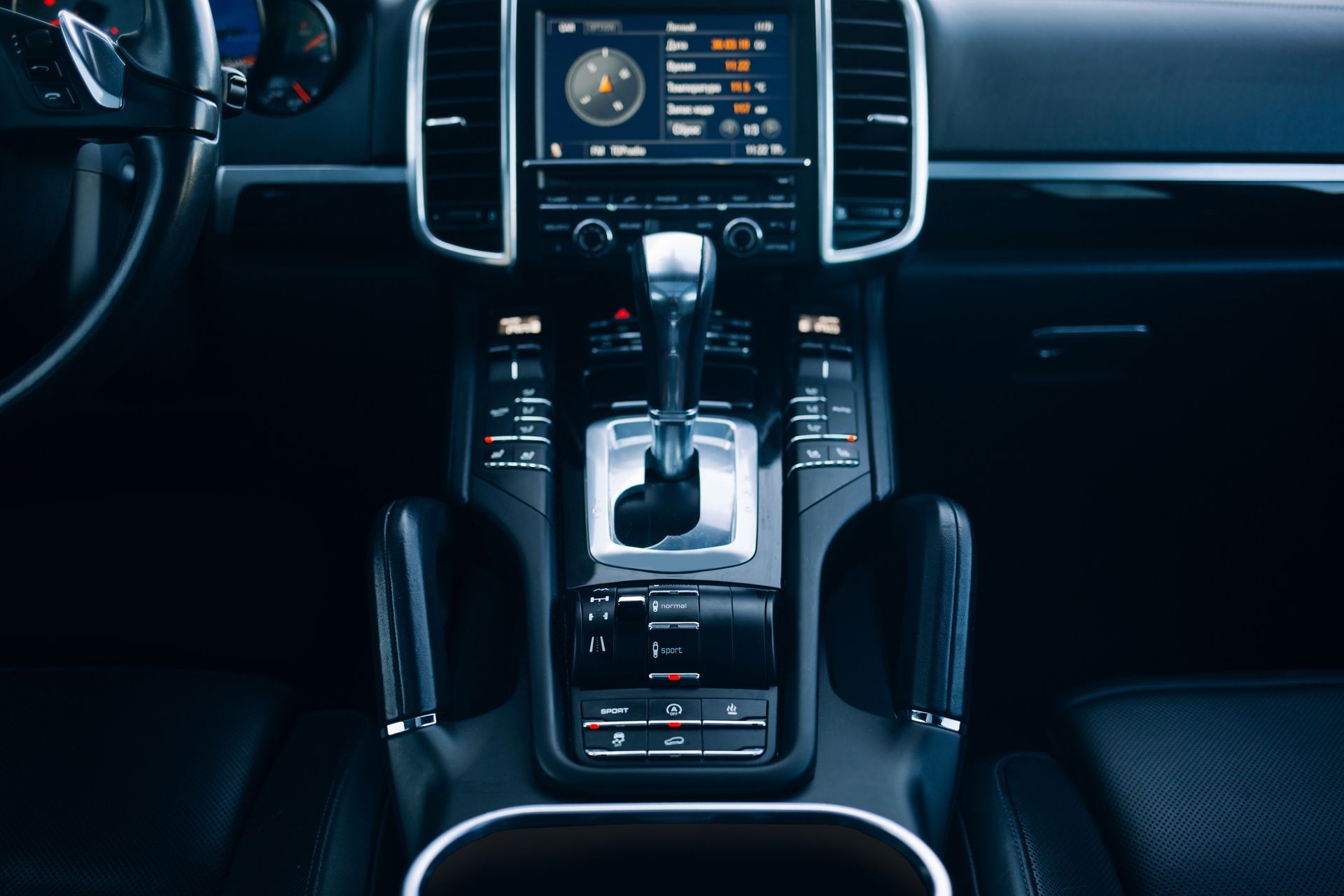
Traction control reduces excessive wheelspin during acceleration. Electronic stability control compares steering input with the vehicle’s actual movement and can apply individual brakes or reduce engine torque when the vehicle begins sliding away from the intended path.
These systems rely on wheel speed sensors, a steering angle sensor, yaw and acceleration sensors, brake pressure information, and communication between several control modules. Incorrect tire sizes or major differences in tread depth can also interfere with the system because the wheels rotate at different rates.
Warning lights should not be ignored even when the car appears to drive normally. Stability control is designed for situations that do not occur during routine driving. A fault may remain unnoticed until the vehicle encounters rain, ice, loose gravel, or an abrupt steering maneuver.
3. Tires And Tire Pressure Monitoring
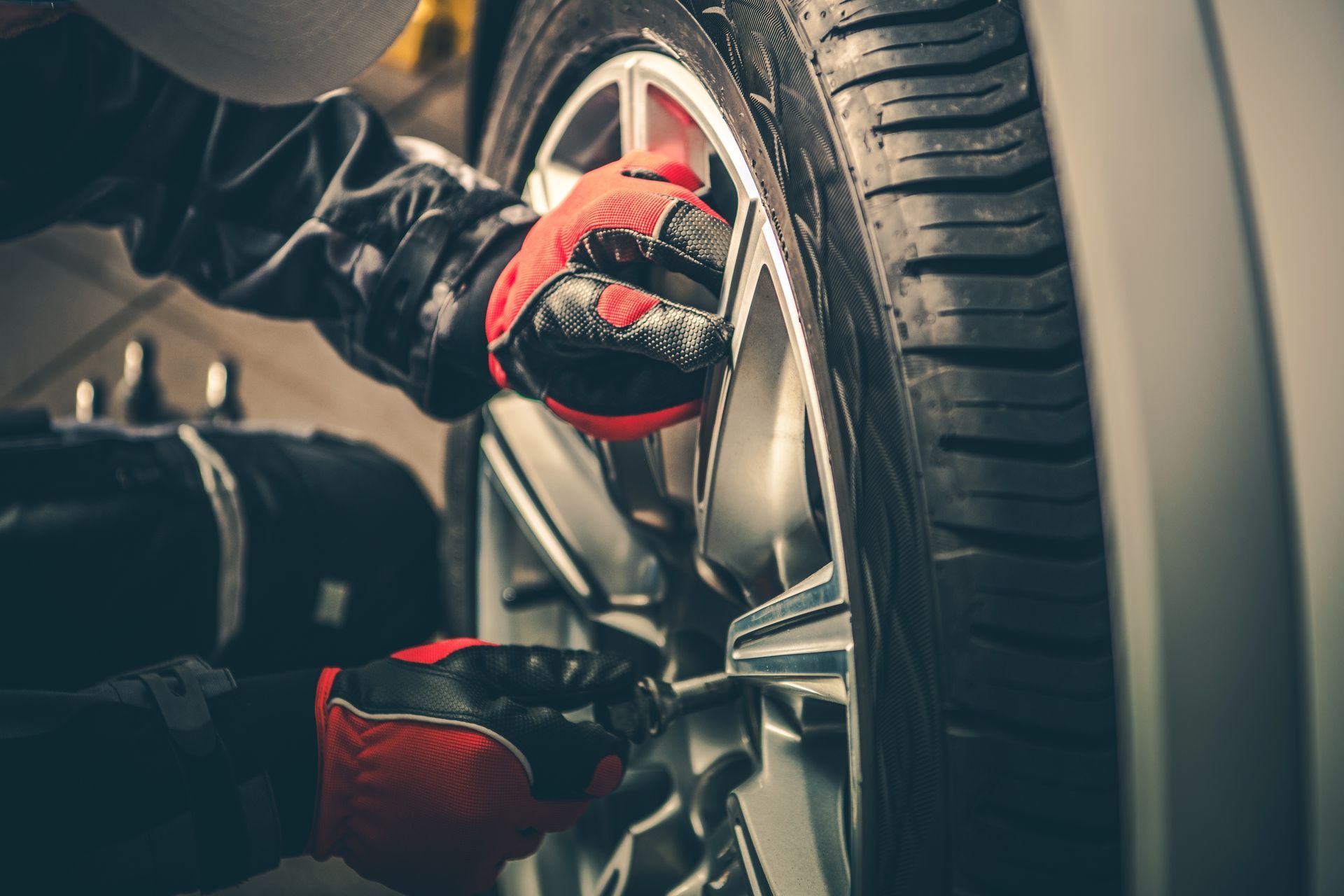
Tires are essential safety components because every steering, braking, and stability-control command reaches the road through four relatively small contact areas. Worn tread, incorrect pressure, internal damage, and uneven tire construction reduce the grip available to other safety systems.
Tire pressure monitoring systems warn when pressure falls below the programmed threshold. Some vehicles use sensors inside each wheel, while others calculate pressure loss by comparing wheel speeds. A warning light can result from low pressure, temperature changes, a puncture, a damaged sensor, or an electronic communication problem.
A tire service should include:
- Cold pressure adjustment
- Tread depth measurement
- Sidewall and shoulder checks
- Tire age review
- Uneven wear evaluation
- Spare tire pressure check
- Sensor and valve stem condition
Use the pressure listed on the driver’s door placard. The maximum pressure printed on the tire sidewall is not the vehicle's normal setting.
4. Airbags And Seat Belt Systems
Airbags and seat belts work together during a collision. Seat belts control occupant movement, while airbags reduce contact with parts of the cabin. Modern systems may include front, side, curtain, knee, and seat-mounted airbags, along with belt pretensioners and load limiters.
An airbag warning indicates that the restraint control module has detected a fault. Depending on the vehicle, one or more airbags or pretensioners may be disabled. Common causes include damaged seat wiring, failed occupant sensors, weak system voltage, collision-related components, or problems inside the steering wheel clock spring.
Seat belts should retract fully, latch securely, and remain free of cuts, fraying, chemical contamination, or twisted webbing. Buckles, anchors, seat tracks, and warning indicators also deserve attention. Collision-damaged belts and pretensioners may require replacement even when their condition appears acceptable from the outside.
5. Advanced Driver-Assistance Features
Newer vehicles may use forward collision warning, automatic emergency braking, blind-spot monitoring, lane departure warning, adaptive cruise control, and parking assistance. These features depend on cameras, radar sensors, ultrasonic sensors, and precise information from the braking and steering systems.
A camera blocked by dirt, ice, stickers, or windshield damage may not detect lane markings correctly. Radar performance can be affected by bumper damage, incorrect mounting, or heavy contamination. Sensor alignment may also change after collision repair, windshield replacement, suspension work, or wheel alignment.
Dashboard messages that a feature is unavailable may be temporary during severe weather, but repeated warnings require professional testing. Driver-assistance systems support the driver; they do not replace attention, proper following distance, or direct control of the vehicle.
6. Headlights, Brake Lights, And Visibility Systems
Lighting and visibility equipment help drivers see hazards and make the vehicle visible to others. Headlights should produce equal output, remain correctly aimed, and shine through clear lenses. Cloudy housings, weak bulbs, moisture, damaged wiring, or low charging voltage can reduce nighttime visibility.
Brake lights, turn signals, hazard lights, reverse lights, wipers, washer nozzles, and defrosters should also operate correctly.
A failed brake light prevents following drivers from receiving clear warning, while worn wipers can leave streaks that scatter glare across the windshield.
A complete inspection should include exterior lighting, washer fluid, blade condition, mirror adjustment, windshield damage, and front and rear defroster operation. These basic systems are often the first line of protection during rain, fog, darkness, and heavy traffic.
Why Safety-System Warnings Need Prompt Attention
Multiple warning lights can come from one underlying fault because several vehicle systems share sensors and information. For example, one failed wheel speed signal may affect ABS, stability control, traction control, cruise control, and certain driver-assistance features at the same time.
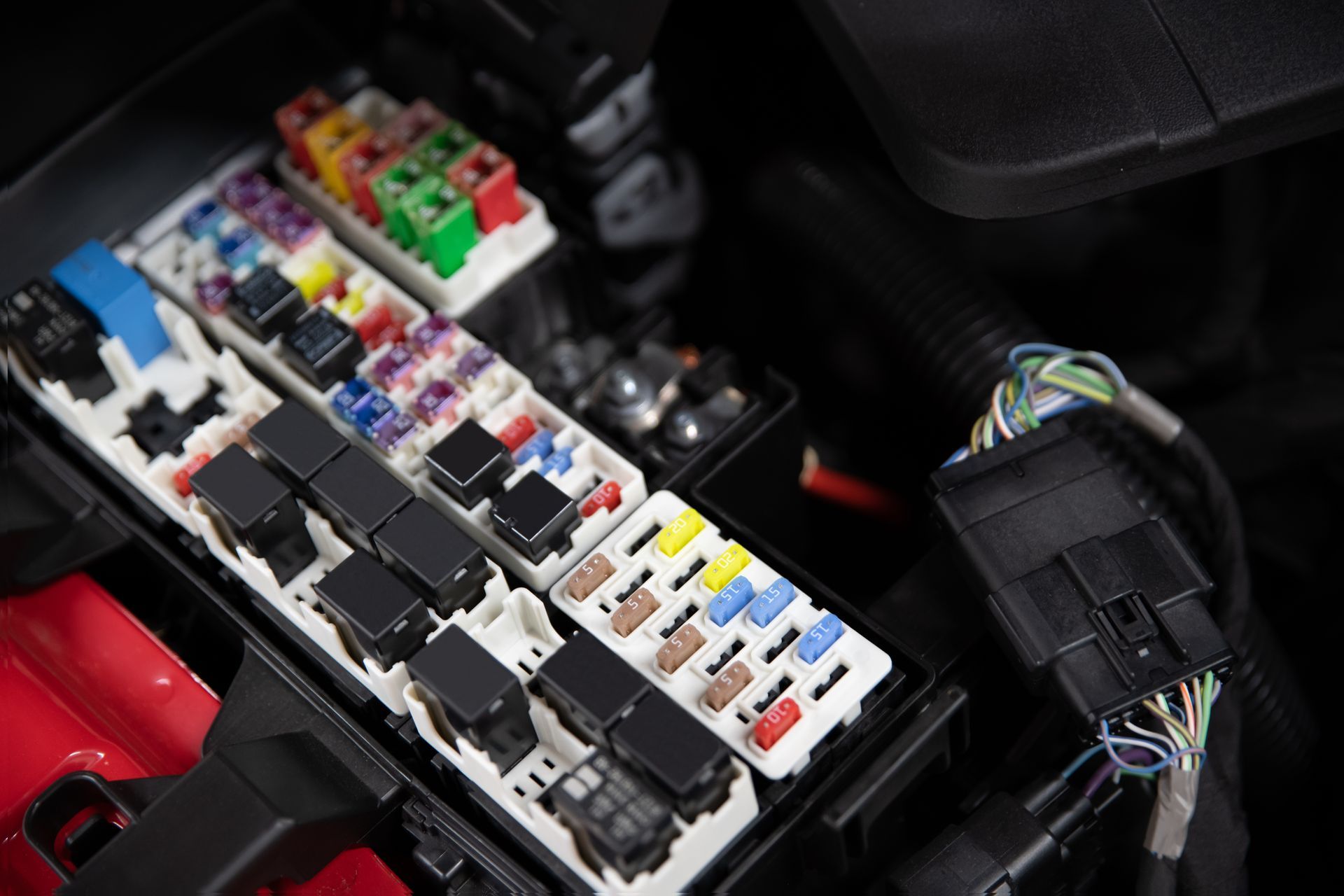
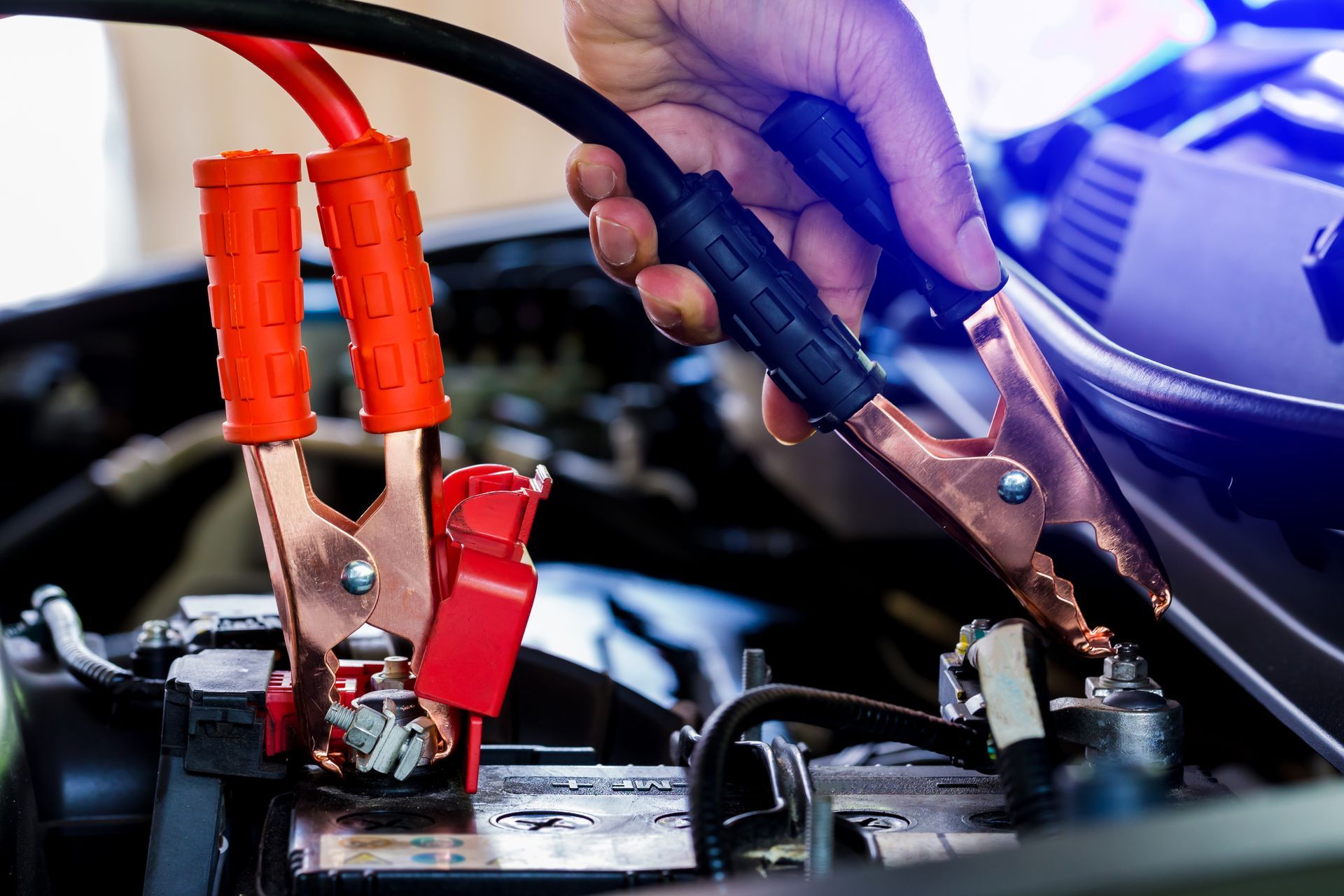
Technicians review stored fault information, live sensor data, electrical circuits, component operation, tire condition, and battery voltage to identify the cause. Clearing warning lights without correcting the fault only hides the issue until the control module detects it again.
Get Car Safety System Service Across North Carolina And South Carolina With Woodie's Auto Service & Repair Centers
Woodie's Auto Service & Repair Centers serves drivers through 19 locations across North Carolina and South Carolina. Our teams can check brakes, tires, airbags, lighting, stability controls, driver-assistance warnings, and related electrical systems.
Contact your nearest location to schedule vehicle safety service.